pickleball-court-size-india
October 26, 2026

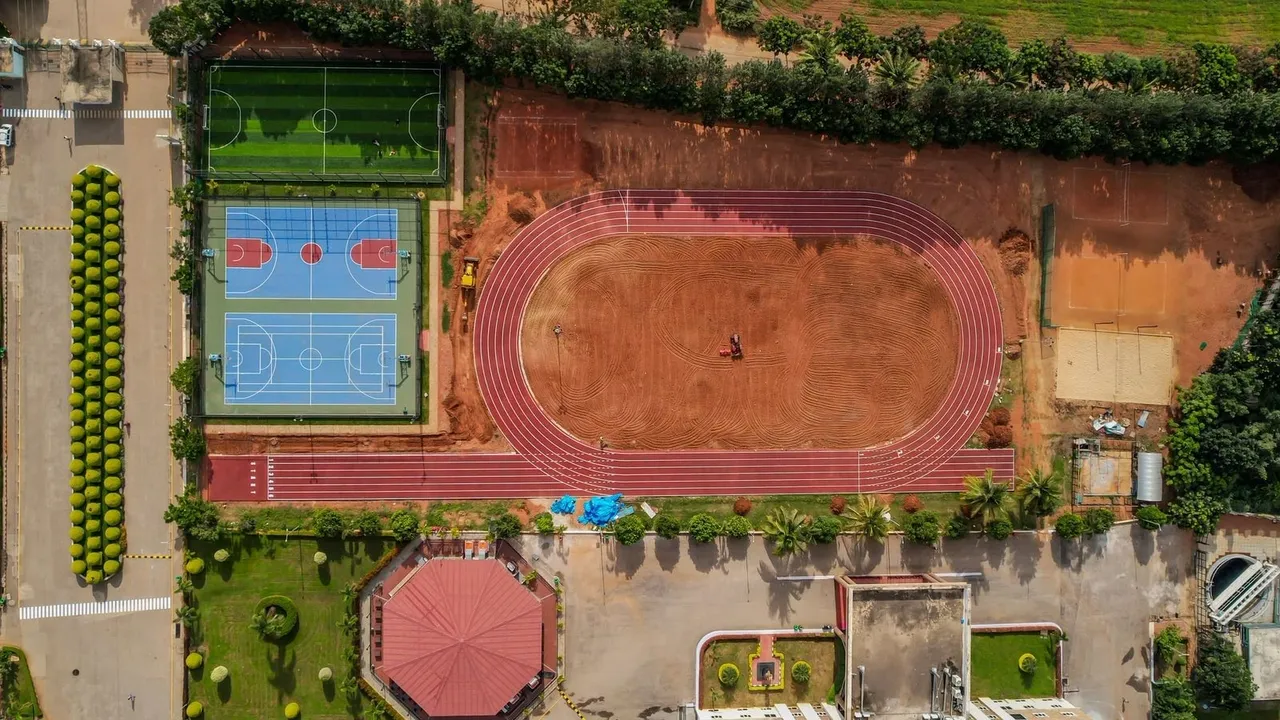
This manual provides comprehensive guidelines for maintaining spray-coated synthetic running tracks. It includes routine cleaning, inspection and repair procedures to ensure the track remains in optimal condition.
Inspection
Detailed Cleaning and Anti-Mold Treatment
UV Protective Coating Check
Surface Repair
Full Track Resurfacing and Recoating
Monsoon Season (June-August)
Recommended Products:
A synthetic running track needs daily surface cleaning to remove debris and dirt, weekly visual inspections for early wear, and a deeper anti-mold treatment monthly. This tiered schedule prevents the buildup of contaminants that accelerate surface degradation, especially in humid or shaded areas.
Spray-coated synthetic running tracks typically need full resurfacing and recoating on a bi-annual basis as part of routine care, with a complete resurface generally required every 7–10 years depending on usage, climate, and maintenance consistency. Tracks that receive regular monthly and quarterly upkeep last significantly longer before major resurfacing is needed.
A synthetic running track should be regularly swept or mechanically cleaned to remove leaves, sand, dirt and other debris. Periodic washing can help remove embedded dirt and organic buildup. Cleaning methods should be suitable for the specific track system, and harsh chemicals or unsuitable equipment should be avoided because they can damage the synthetic surface.
Poor drainage can allow water to remain on or beneath the track surface, increasing the risk of surface deterioration, algae or moss growth, delamination and damage to the underlying base. Keeping drainage channels clear and checking water flow regularly is an important part of running track maintenance, particularly before and after periods of heavy rainfall.
Daily cleaning and debris removal can be handled by in-house facility staff, but surface repairs, UV coating reassessment, and full resurfacing require professional expertise and specific products (like PU repair kits and protective coatings) to avoid improper application that can shorten the track’s lifespan or void material warranties.
Common signs include cracks, loose or damaged areas, surface wear, bubbling, delamination, edge lifting, drainage problems, fading or deterioration of lane markings. Small defects should be addressed early because water, repeated use and weather exposure can cause minor damage to spread and become more expensive to repair.
Yes, minor or localized damage can often be repaired without resurfacing the entire running track. The appropriate solution depends on the size, location and cause of the damage. Professional inspection is recommended before repairs because simply covering visible damage without addressing underlying drainage or base problems may lead to recurring issues.
Monsoon season significantly increases the risk of mold, mildew, and algae growth on running tracks due to high humidity and rainfall. Facilities should increase the frequency of anti-mold treatment during June–August and monitor shaded, moisture-prone areas more closely than during drier months.
Common running track repair materials include PU (polyurethane) track repair kits for surface damage and protective coatings like Mapei Elastocolor for full recoating — the right product depends on whether the issue is surface-level wear or deeper cracking that needs patch repair before recoating.
UV protective coating shields the track surface from sun damage that causes fading, brittleness, and premature cracking. Checking the coating monthly and reapplying it when wear is visible helps protect the track’s structural integrity, not just its appearance
Running track maintenance cost depends on track length (e.g., a standard 400-meter track), surface type (spray-coated PU, full-pour polyurethane, or latex/acrylic), current condition, and maintenance frequency — routine care (cleaning, inspection, anti-mold treatment) costs considerably less than periodic recoating, which in turn costs far less than a full resurface. Tracks on a consistent maintenance schedule typically delay expensive resurfacing by several years compared to tracks maintained reactively.
For a maintenance plan and cost estimate tailored to your track’s size and condition, get in touch with The Sports Habitat.
Get in touch with The Sports Habitat for expert inspection, maintenance, and track care services. Contact Us Today.

pickleball-court-size-india

Athletic Track Construction India: Complete Guide 2026

Why Most Outdoor Sports Courts Fail Within 3

ITF Approved Tennis Court Surfaces: Which Type Suits

What Institutions Should Check Before Selecting a Sports
Get in touch with The Sports Habitat for expert inspection, maintenance, and track care services.

We are an integrated sports infrastructure company based in Bengaluru, India. A trained team of professionals creating ready-to-play world-class sports environments that inspire participation, elevate performance, and build long-lasting communities.
Copyright © 2024 thesportshabitat.com. All rights reserved. | Managed by The Success Stars